
Leading Foundation Repair Products For Structural Integrity
Explore premium foundation repair solutions that focus on maintaining and improving your home's structural stability.
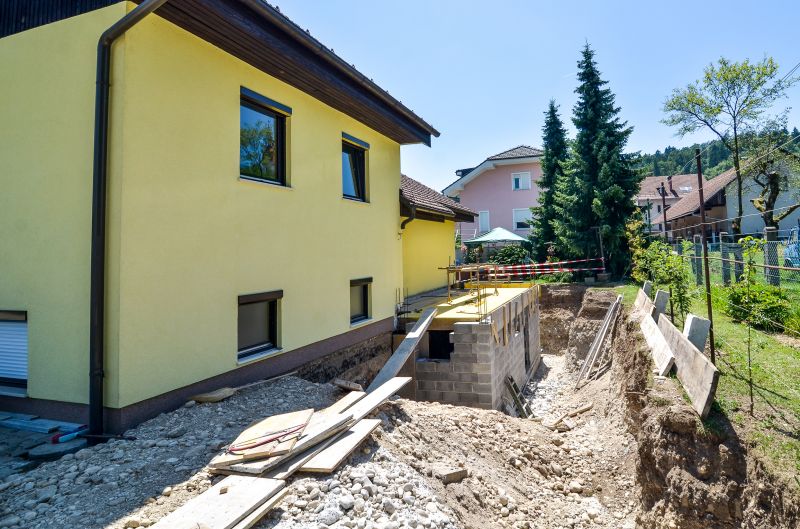 Foundation repairs are a critical aspect of maintaining the structural integrity of a building, especially in areas prone to shifting soil, moisture fluctuations, or age-related settling. When considering foundation repair products, it is important to understand the variety of options available, each designed to address specific issues such as cracks, uneven settling, or water infiltration. Proper assessment and selection of appropriate products can help stabilize the foundation and prevent further damage, ultimately preserving the safety and value of the property.
Top Overall Option
Polyurethane Foam Injection System
Polyurethane foam injection systems are versatile tools used to lift and stabilize sinking or settling foundations. They work by injecting expanding foam beneath the foundation to fill voids and lift the structure gradually. These systems are often favored for their minimally invasive application, quick curing times, and ability to target specific areas of concern. They are suitable for addressing small to moderate foundation issues and can be combined with other repair methods for comprehensive stabilization.
Types of Products For Foundation Repairs
Hydraulic Push Piers
Hydraulic push piers are driven into the soil beneath the foundation to provide deep support and lift. They are often used in cases of severe settlement and can restore the foundation to its original level.
Helical Piers
Helical piers are screw-in supports that offer stability in various soil types. They are installed by rotating into the ground and are suitable for both new and existing structures.
Epoxy Crack Injection
Epoxy injections are used to seal and reinforce cracks in concrete foundations, preventing water intrusion and further deterioration.
Polyurethane Foam Injection
Polyurethane foam is injected to fill voids, lift sinking slabs, and stabilize areas affected by soil erosion or washout.
Underpinning Systems
Underpinning involves extending the foundation depth or width to improve stability, often using concrete or steel supports.
Mudjacking / Slab Jacking
This process raises sunken slabs by pumping a grout mixture beneath them, restoring levelness without extensive excavation.
Soil Stabilization Products
These include chemical grouts and stabilizers that improve soil bearing capacity and reduce settlement risks.
Drainage and Waterproofing Systems
Proper drainage products help manage water around the foundation, reducing soil movement and moisture-related issues.
Foundation Braces and Supports
Temporary or permanent braces help stabilize walls and prevent further cracking or collapse.
Concrete Patching and Repair Products
These include patching compounds and sealants used to repair surface cracks and surface deterioration.
Soil Moisture Control Devices
Products like moisture barriers or irrigation systems help maintain consistent soil moisture levels to minimize shifting.
Vibration and Soil Compaction Equipment
Used to improve soil density around the foundation, reducing settlement and movement.
Popular Choices
Epoxy crack sealants are commonly used for sealing small cracks and preventing water intrusion.
Polyurethane foam injectors are popular for quick and minimally invasive soil stabilization.
Hydraulic pier systems are frequently chosen for their ability to lift and stabilize severely settled foundations.
Chemical grouts are often used to improve soil strength and reduce future settlement.
Drainage matting helps divert water away from the foundation, reducing moisture-related issues.
DIY concrete leveling kits are popular for small slab adjustments and minor repairs.
Steel push piers are favored for their strength and durability in supporting heavy structures.
Underpinning plates are used in conjunction with piers to distribute loads evenly and enhance stability.
Waterproof membranes are applied to foundation walls to prevent moisture infiltration.
This equipment is popular for soil densification around foundations, especially in loose soils.
Epoxy-based crack repair products are widely used for their adhesion and sealing properties.
Grout pumps facilitate the injection of soil stabilizers and crack fillers into targeted areas.
Support braces are commonly used to temporarily stabilize walls during repair processes.
French drains and other drainage solutions are popular for managing water around foundations.
These compounds are used for surface repairs and crack filling in concrete slabs.
Sensors help monitor soil conditions, aiding in water management and foundation health.
These tools are frequently used to improve soil density and support foundation stability.
In Johnson City, Tennessee, where the soil composition and weather conditions can influence foundation stability, homeowners and contractors often turn to a range of specialized products. These include hydraulic jacks for lifting and leveling, epoxy injections for crack sealing, and underpinning systems for deep stabilization. Each product type offers different benefits and installation methods, making it essential to choose solutions that align with the specific needs of the foundation and the extent of the damage.
Investing in quality foundation repair products not only addresses current issues but also provides a preventative measure against future problems. Regular inspections combined with the right products can help identify early signs of shifting or cracking, allowing for timely intervention. While some products are suitable for DIY projects, others require professional installation to ensure safety and effectiveness. Consulting with a foundation specialist can help determine the most appropriate options for your property in Johnson City.
Overall, understanding the available products and their applications can empower homeowners and contractors to make informed decisions. Whether dealing with minor cracks or significant structural concerns, selecting the right foundation repair products is a vital step toward restoring stability and peace of mind. Proper use and installation of these products can contribute to the long-term health of a building’s foundation, especially in regions with challenging soil and weather conditions.
Key Buying Considerations
- Assess the extent and type of foundation damage to determine appropriate products.
- Consider the soil conditions and moisture levels in your area to select compatible solutions.
- Evaluate whether a DIY approach is feasible or professional installation is recommended.
- Check product compatibility with existing foundation materials such as concrete, brick, or stone.
- Look for products with proven performance records and manufacturer support.
- Determine the necessary lifting capacity or support strength based on the structure's weight.
- Ensure that the products are suitable for the specific type of foundation issue, such as cracks or settlement.
- Review installation requirements and whether specialized tools or skills are needed.
- Consider the long-term durability and maintenance needs of the repair products.
- Evaluate the potential impact on property value and safety when choosing repair solutions.
- Check for local building codes and regulations related to foundation repairs.
- Look into warranty options or guarantees offered by product manufacturers.
- Consider the environmental conditions, including water drainage and soil stability, that could influence product effectiveness.
- Assess the cost-effectiveness and overall budget for the repair project.
- Research customer reviews and expert opinions to gauge product reliability and performance.
This content contains affiliate links. We may earn a commission if you click through and make a purchase, at no additional cost to you.